
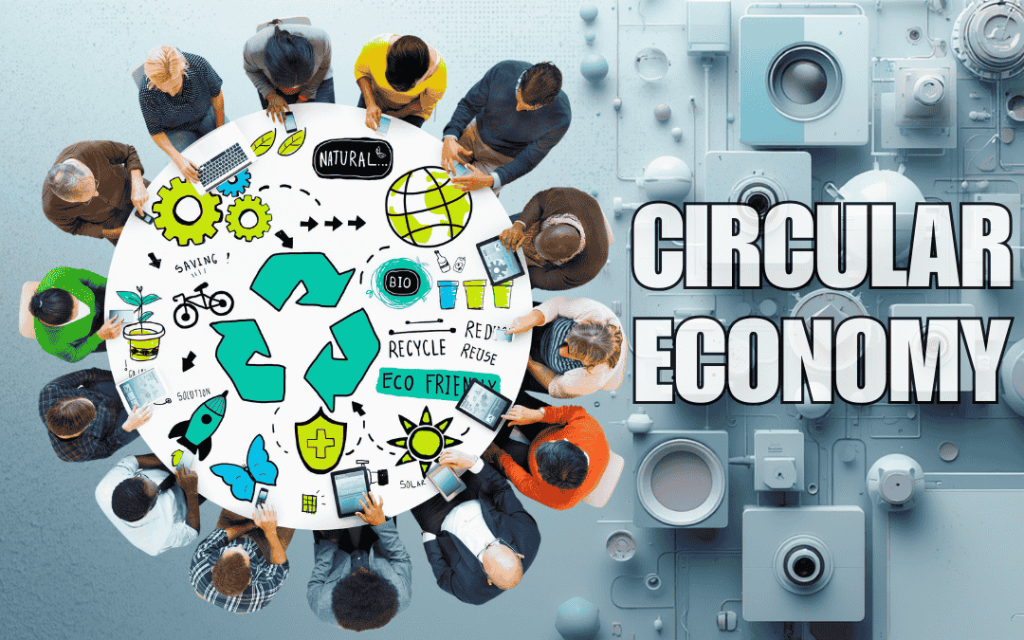
Definition of Circular Economy – The Big Shift Towards Usage of Used Electronics
The Wikipedia definition of Circular Economy is that, it’s a model of resource production and consumption that involves sharing, leasing, reusing, repairing, refurbishing, and recycling materials and products, to extend product life cycle for as long as possible.The concept aims to tackle global challenges such as climate change, biodiversity loss, waste, and pollution by emphasizing the design-based implementation of the three base principles of the model. The main three principles required for the transformation to a circular economy are:
Designing out waste and pollutionKeeping products and materials in useRegenerating natural systems
In this article, I will try to explain the differences between Circular Economy and Linear Economy and some of the key benefits of Circular Economy in electronics market.
Positively there’s a big shift noticed in the market with the number of E-Commerce players entering into the market. Big electronic giants in the market have also joined the race with eye catching offers such as refurbished products with warranty and trade-ins. Ultimately, consumers who have benefited out of re-commerce, which is the fact in most of the cases are spreading the word.
Source: Circular Economy
Linear Economy And The Hidden Dangers
If we rewind to a while back, electronic devices were bought, used and left idle which eventually became useless. This era can be referred to as Linear Economy. This started contributing to E-waste and environmental pollution.
This continued as a pattern, every time a new product was launched, people continued to upgrade and the old devices were pushed into drawers and shelved. Over a period of time they were trashed which became E-waste.
The 5 Key Benefits
1. Bang For A Buck!
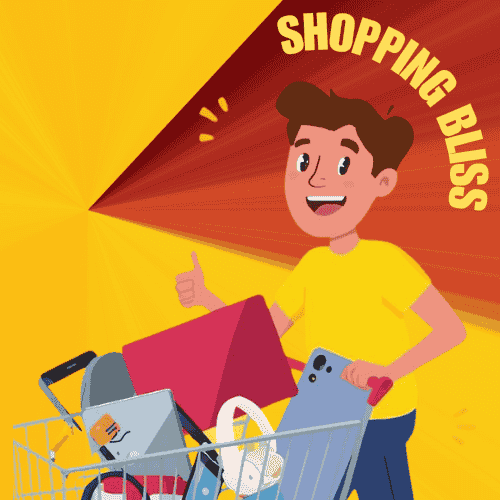
Pre-owned products with superior features and good quality at an affordable price, that’s bang for a buck!
2. Pollution And Waste Reduction
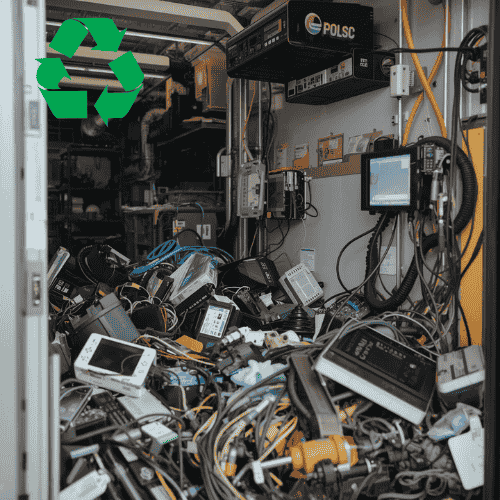
Circular economy promotes reuse, repair, refurbish and recycle instead of disposal. This tackles a major crisis, E-waste protecting soil, air and water. A number of new jobs are also create along the path.
3. Carbon Emission Reduction & Natural Resource Preservation
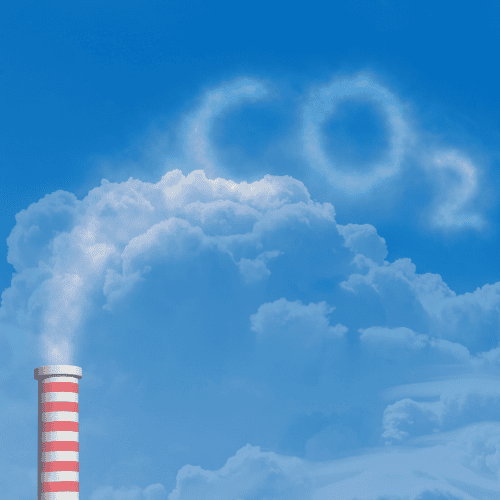
Using recycled materials can increase their life span and the green house gas emissions are kept in check to some extend. The need for extraction of new natural resources are also controlled significantly
4. Innovation and Sustainability
Circular models also push companies to be innovative and create more sustainable, repairable and recyclable products which have increased life spans.
5. Stable Supply Chain
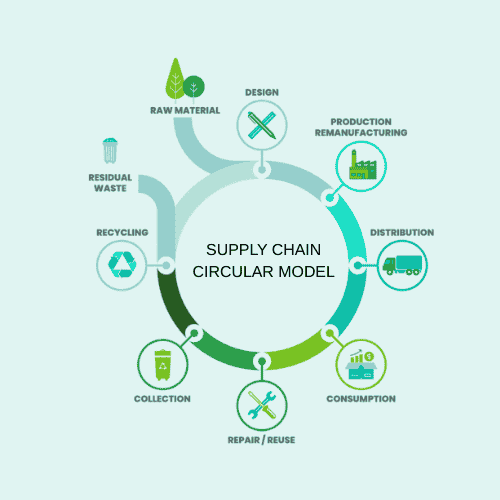
Circular supply chain is more stable and it creates a robust and resilient economic system. This is because the materials are mostly sources from local entities and the dependency over global supply chains reduce.
To conclude, circular economy is a way of improving our life style choices by supporting economy, saving the planet and giving more choices for common man.
At ThreeClicks, we are passionate about giving the customers a delightful experience through buying and selling of pre-owned devices responsibly.